



April 18th, 2008 at 10:18pm
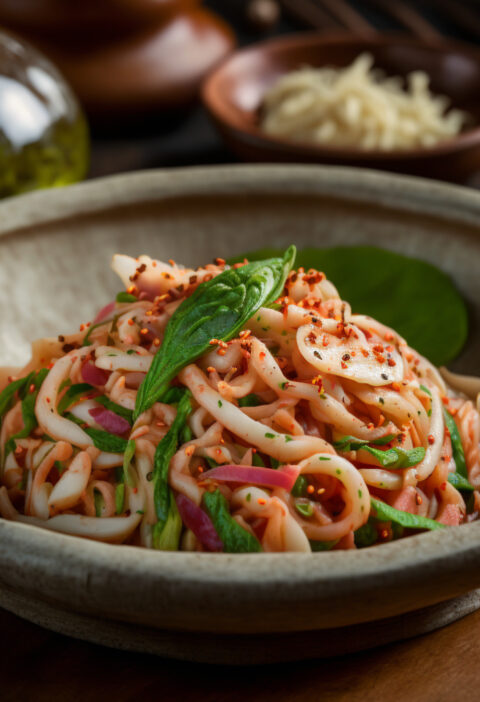
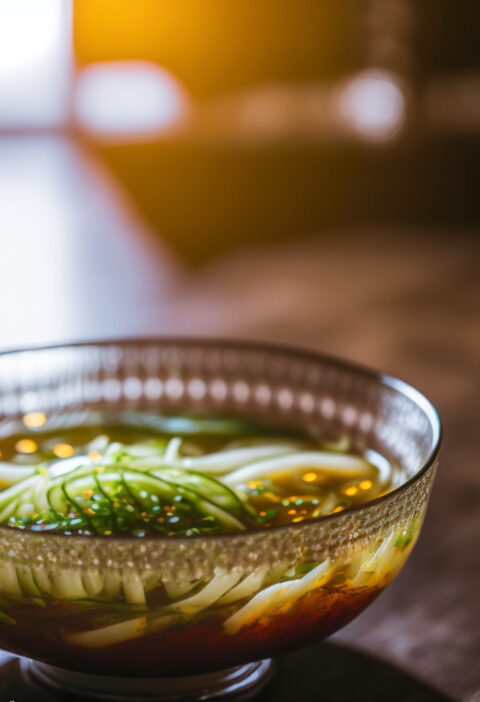
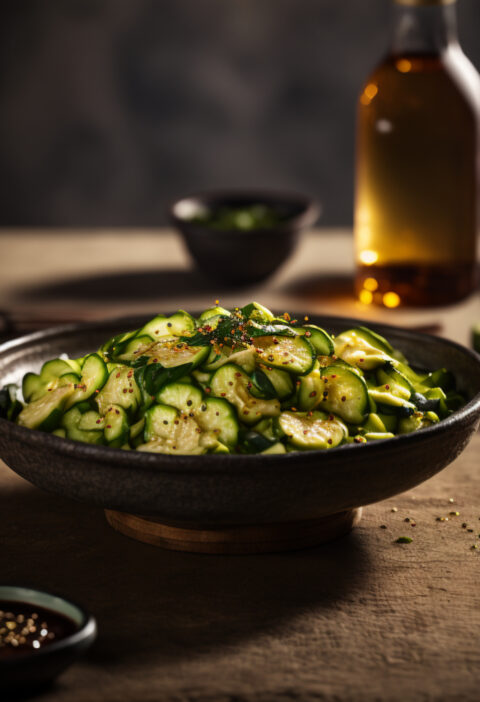
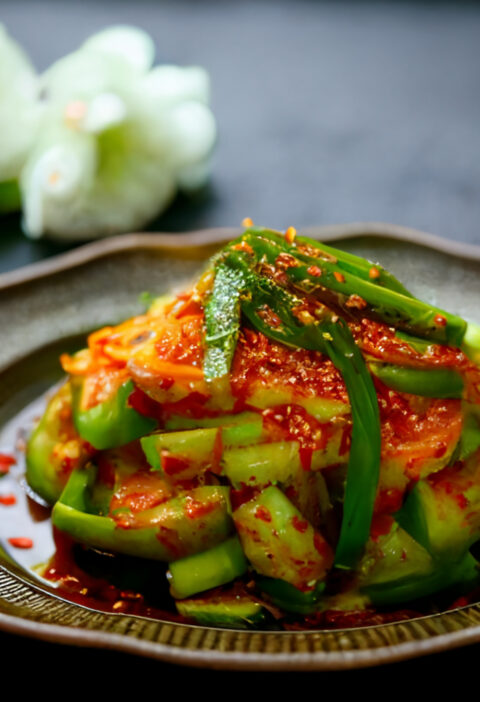
Cucumber salad is one of most loved side dishes in Korean dining. Enjoy fresh cucumber and sweet and spicy mix.
3 1/2 cups (1/16-inch-thick) slices English cucumber (about 1 large)
2 teaspoons kosher salt
2 tablespoons minced green onions
1 tablespoon rice vinegar
1 teaspoon sugar
1/2 teaspoon crushed red pepper
1/2 teaspoon dark sesame oil
1. Combine cucumber and salt, tossing well. Let stand at room temperature 20 minutes. Drain and squeeze dry.
2. Combine cucumber, onions, rice vinegar, sugar, crushed red pepper, and sesame oil.
3. Serve chilled or at room temperature.
March 1st, 2008 at 11:54pm
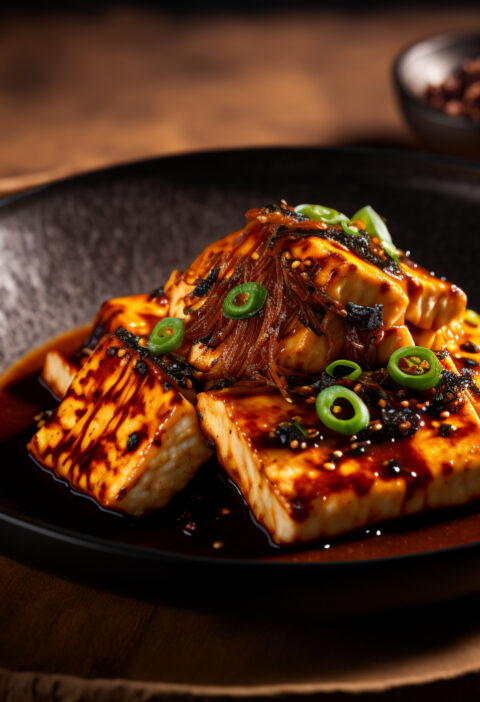
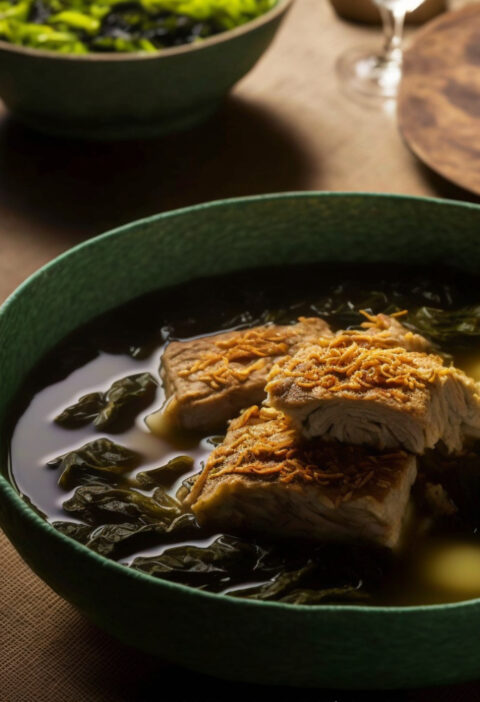
Fried Tofu is a wonderful side dish and quite easy to make. It doesn’t require a lot of ingredients or time, so it’s a perfect dish for a beginner in Korean cooking.
Tofu 1
Chopped Green Onion 1T
Soy Sauce 2T
Chopped Garlic 1t
Sesame Oil 1t
Red Pepper Powder 1t
Sugar 1t
1. Slice tofu 1/2-inch thick.
2. Pan-fry both side of Tofu on medium-high heat until browned.
3. Mix chopped green onion, chopped garlic, sesame oil, red pepper powder, and sugar.
4. Spread the sauce on the fried tofu and saute for 3-4 minutes over low heat.
5. Server as a side dish
February 25th, 2008 at 11:25pm
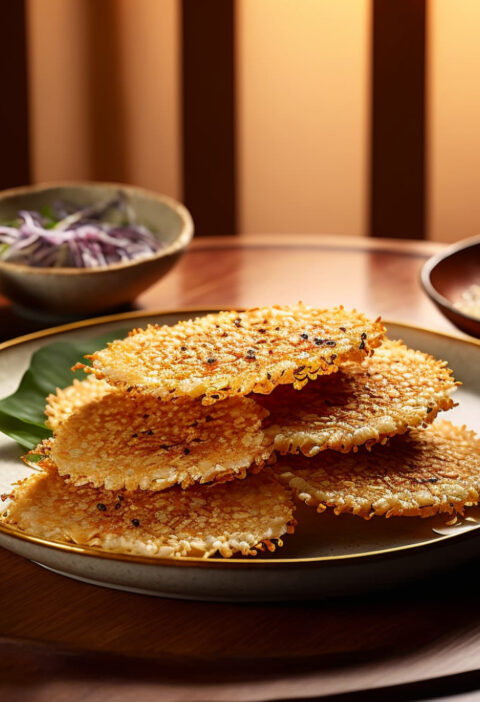
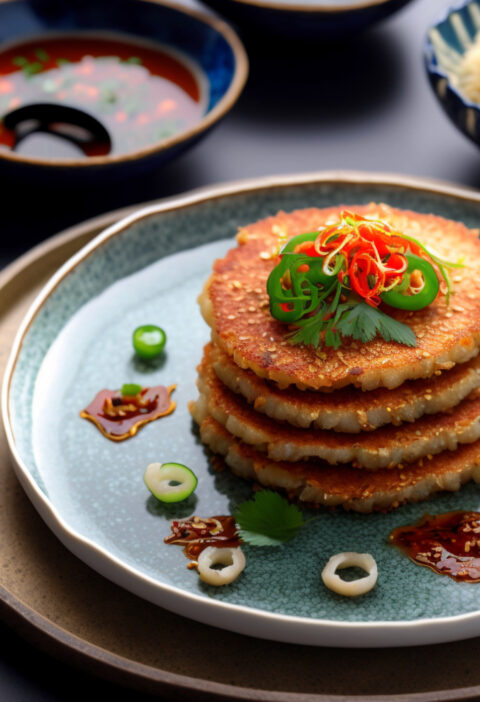
Korean potato pancake (gamjajun) is a good snack for kids and can be served as a side dish for a regular meal. ‘Jun’ in korean means pancake and there are many different kinds of juns.
3 medium potatoes, grated
1/2 tsp salt
Green & red pepper as garnish
2 tsp of oil
1. Peel and grate the potatoes.
2. Remove water out of grated potato.
3. If it sits for too long, the color changes, so cook immediately.
3. Heat a pancake pan and grease it with oil.
4. Put 2T spoon of the grated potato into the pan and flatten it.
5. Place sliced pepper on the flatter potato.
6. Cook until golden brown, then flip and cook until brown spots appear.
7. Serve with soy sauce.
February 11th, 2008 at 12:07am
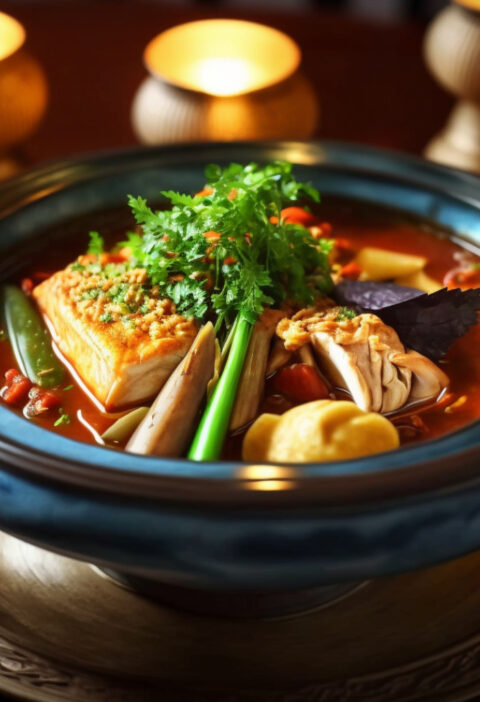
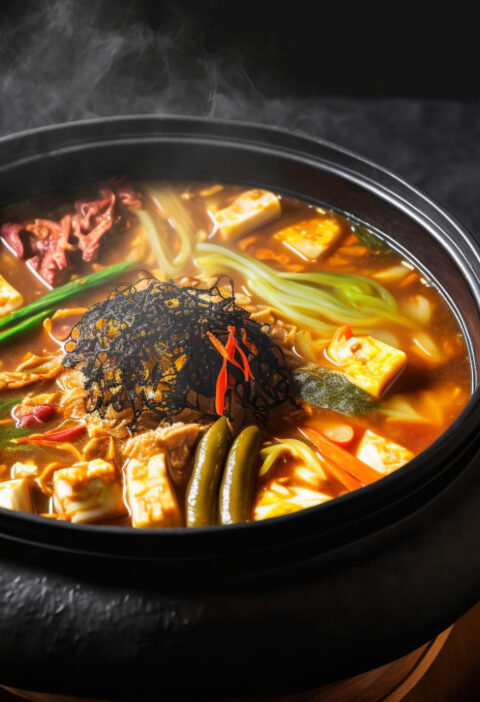
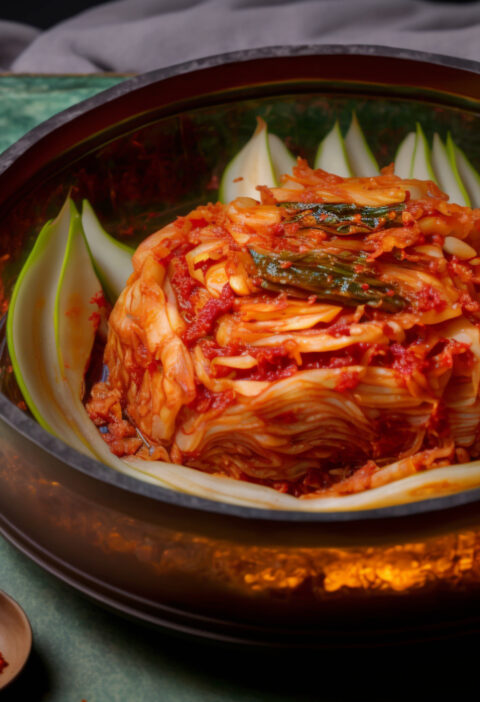
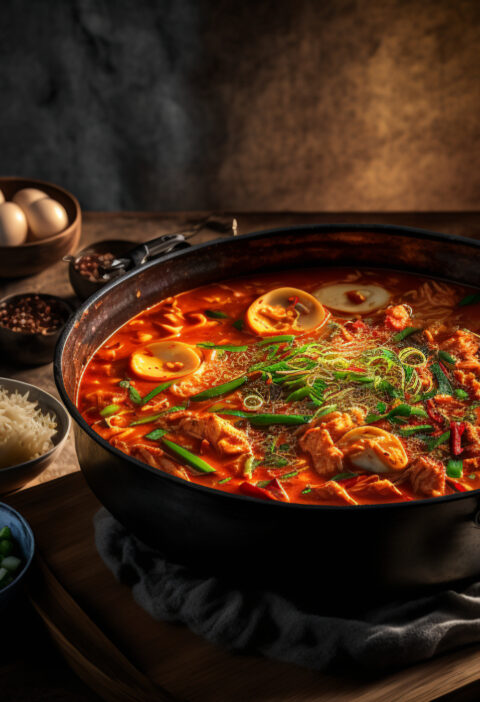
Kimchi jjigae is often cooked in Korean homes using older, more fermented, kimchi, creating a much stronger taste and containing higher amounts of “good” bacteria also found in yogurt.
2t sesame oil
1/2 pound of pork stew meat, cut into cubes or strips
1 package of firm tofu, cut in cubes
2 – 3 cups of fermented kimchi
2t soy sauce
1t sugar
1t chopped green onion
1. Heat the sesame oil in a dutch oven on medium heat, then saute the pork.
2. Add the kimchi and saute for five minutes. If you want really spicy jjigae, add some of the leftover juice from the bottom of the kimchi jar. Pour in enough water to cover the kimchi and pork mixture, plus one inch or so.
3. add tofu, soy sauce and sugar.
4. Boil it for twenty minutes, add green onions, and cook five minutes more.
5. Serve with steamed rice.
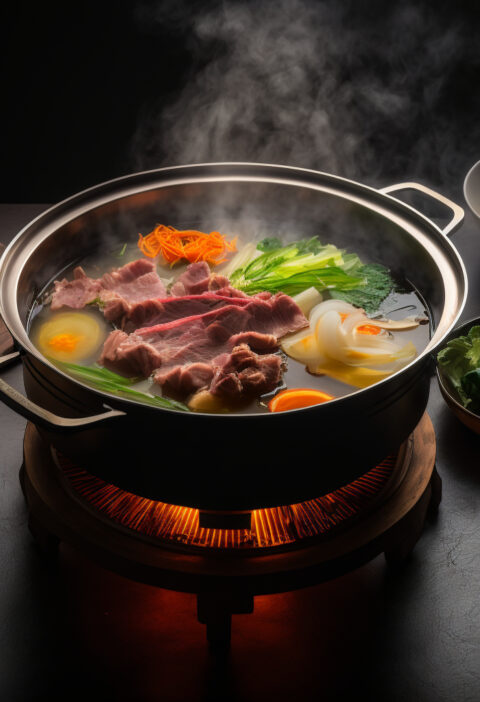
*Jjigae (pronounced chee- geh) is a Korean dish similar to a Western stew. A typical jjigae is heavily seasoned with chile pepper and served boiling hot. A Korean meal almost always includes either a jjigae or a soup.
February 10th, 2008 at 11:51pm
Seaweed is amazingly effective at stimulating healthy milk production in nursing moms. Seaweed is also an excellent blood cleanser and is believed to support optimal brain function, making it a staple for Korean students, especially the night before an important exam.

1 (1 ounce) package dried seaweed
1/4 pound beef top sirloin, minced
2 teaspoons sesame oil
1 1/2 tablespoons soy sauce
1 teaspoon salt, or to taste
6 cups water
1 teaspoon minced garlic
1. Soak seaweed in water. When soft, drain, and cut into 2 inch pieces.
2. Heat a saucepan over medium heat; add beef, sesame oil, 1/2 tablespoon soy sauce, and a little salt, and cook for 1 minute. Stir in seaweed and remaining 1 tablespoon soy sauce; cook for 1 minute, stirring frequently. Pour in 2 cups water, and bring to a boil. Stir in garlic and remaining 4 cups water. Bring to a boil, cover, and reduce heat. Simmer for 20 minutes. Season to taste with salt.